
Reclamation Topsoil
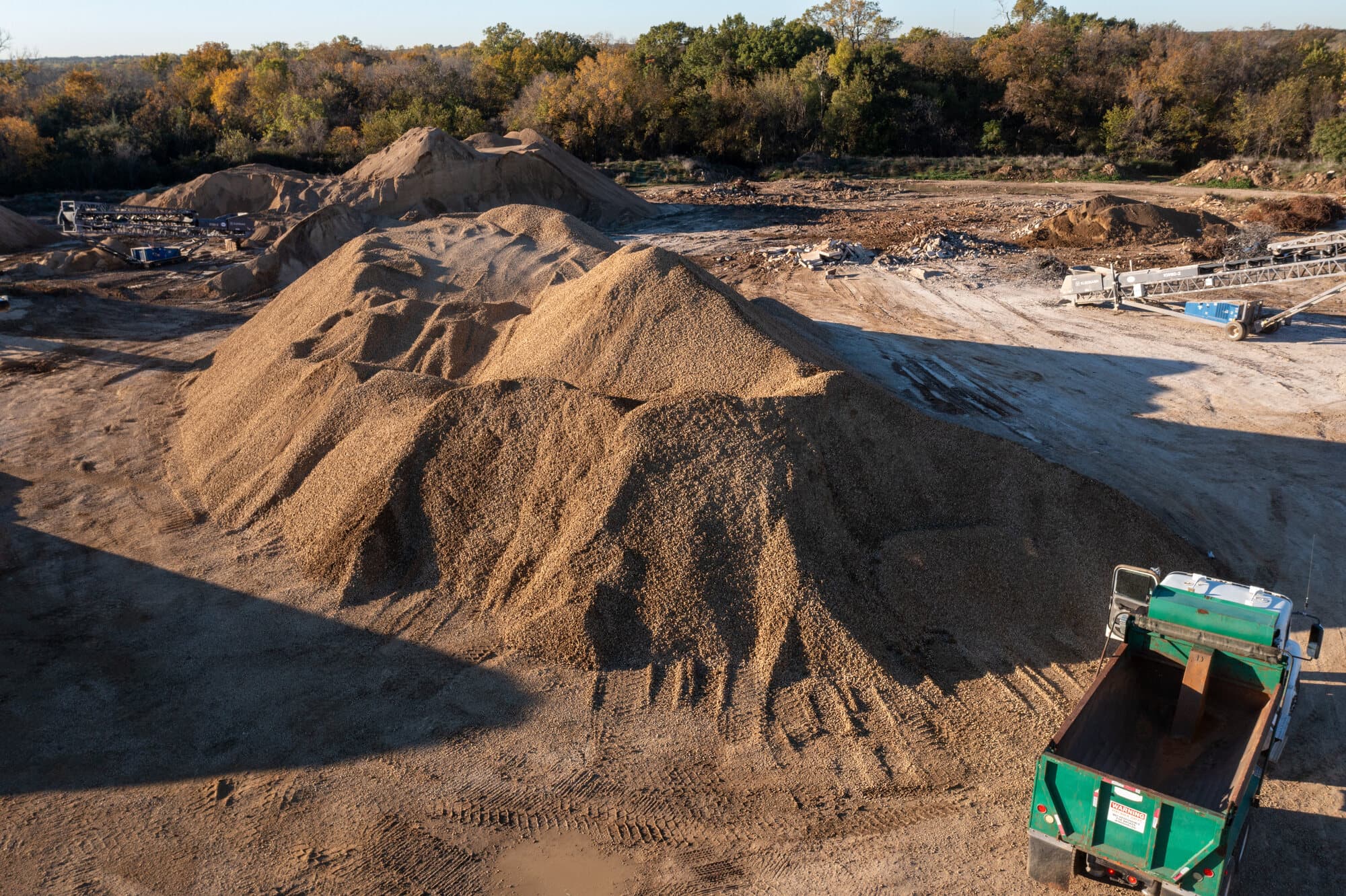
Trommel-screened at New Town for well site reclamation and revegetation. The largest single thing we produce, and the material most of the basin is short of.
Overview
Screened, not scraped
Reclamation topsoil is a specified material, not whatever came off the top of the cut. It goes through a trommel here before it goes anywhere near a site.
A well site that has been through drilling, production and plugging usually cannot be put back with the soil that came off it. Salvaged stockpiles run short, sit for years, or take brine damage that makes them useless for revegetation. When that happens the operator has to buy material, and the reclamation plan is written against numbers rather than against a description.
We screen and stockpile at New Town, inside the basin. What gets marketed here otherwise is soil brokered in by the yard, which puts the delivery date in somebody else’s hands. Give us a closure date and the schedule is ours to hold.
Why sites buy it
Reclamation is not discretionary
North Dakota Administrative Code 43-02-03 sets the obligation, and the operator's bond sits behind it. This demand does not turn off with the oil price.
Topsoil must be stripped and reserved
Defined as no more than the top eight inches. It has to be salvaged, stockpiled and kept separate from the spoil.
It must be redistributed and revegetated
Spread evenly and seeded back to native species. A cover that does not establish is not a completed reclamation.
The clock runs from plugging
Reclamation is due within a year of the well being plugged, and the bond is not released until it is signed off.
The order shape
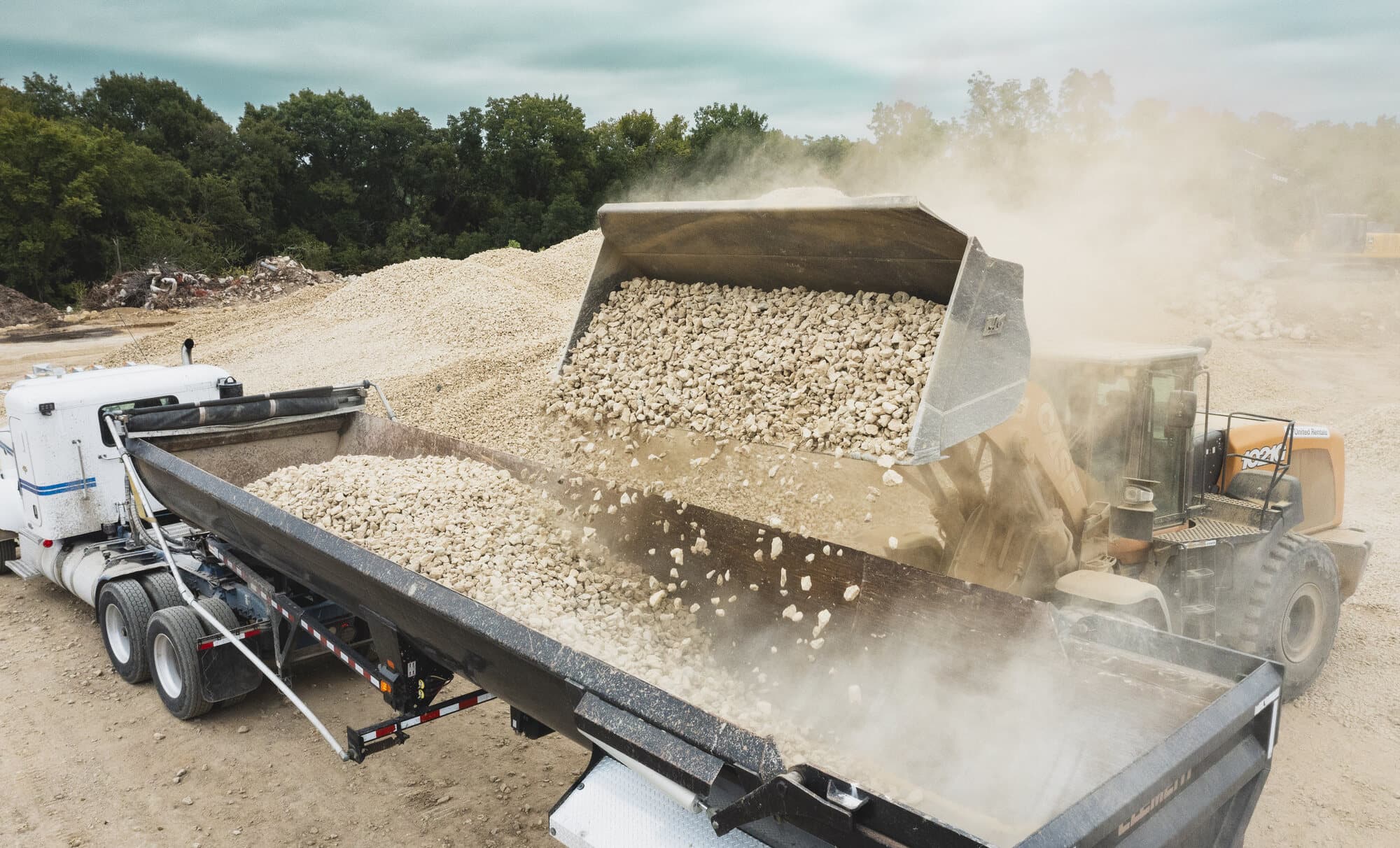
A full site is a bulk order, not a truckload order. Buyers on this material are working to a closure date and a volume off a reclamation plan, so the useful first call is the date and the site, not a load count. Scheduling decides more of these jobs than price does.
Reclamation is the largest driver, but it is not the only one. The same screened material goes into yard and development work and into state and municipal right-of-way projects, which run on a different calendar and help fill the shoulders of the season.
Specifications
The four numbers
An operator comparing reclamation soil checks salinity and sodicity before anything else. These are the four numbers that decide it, and what a reclamation spec is normally written against.
| Measure | Unit | Our result | Typical requirement | What it tells the buyer |
|---|---|---|---|---|
| EC | dS/m, saturation extract | Pending | 0.5 to 2.5 | Salinity. The Bakken reclamation problem is brine, and this is the number that shows it. |
| SAR | ratio | Pending | 3 max | Sodicity. USDA Handbook 60. High SAR destroys soil structure and nothing will root in it. |
| pH | — | Pending | 6.0 to 8.4 | Outside this band the seed mix on the reclamation plan will not establish. |
| Organic matter | % | Pending | — | Whether the material will actually grow the native species the plan calls for. |
The requirement column shows the published agronomic thresholds a reclamation spec is normally written against. They are not our results. Nothing goes in the results column until a lab report exists and Richard says it can be published.
Certification
Two different certificates
Buyers use the same word for two unrelated pieces of paper, and sending the wrong one costs you the job.
Weed-free, NDCC 4.1-47
A county weed control officer inspects the operation at the source, before material moves, so the certification attaches to the pit rather than to the load. Written into bid specifications for road work, erosion control, wind sites and pipelines, and required on federal land.
Laboratory analysis
What an oil and gas buyer means. It is about salt, not weeds, and it is the table above. A weed-free certificate says nothing at all about brine damage.
Ordering
What to have ready
Give us these four and the quote comes back in one pass instead of three.
- 01
The site
Where it is going, close enough to route a truck.
- 02
The volume
Off the reclamation plan if you have it.
- 03
The date
Closure date or the date it has to be on the ground.
- 04
The spec
Any EC, SAR or certification language in the contract.